Solar Plug Embroidery Design Review for Real Projects
As an experienced embroidery designer and product reviewer, I always take a moment to evaluate how a design will perform beyond the screen. Solar Plug is an SVG file categorized under Icons and Graphics, and while that might seem broad, its practical application in real-world projects tells a much more specific story. In this review, I’ll walk through my thought process when considering using Solar Plug on actual items—like custom sweatshirts or tote bags—and what makes it either a great fit or something to approach with caution.
First Impressions of Solar Plug
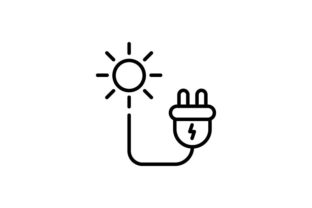
The first thing I notice about Solar Plug is its clean, minimalist aesthetic. It’s not overcomplicated, which is a relief in a world where many machine embroidery designs try to cram too much detail into too little space. The icon feels modern and tech-inspired, but with enough softness to avoid looking cold or industrial. Its circular shape and symmetrical layout suggest balance and harmony, making it visually appealing even at smaller scales.
I can see this design fitting well in contemporary handmade products, especially those aimed at eco-conscious customers or digital-savvy audiences. It has a subtle energy about it—like a symbol for innovation or sustainability. While it’s not inherently “festive” or “whimsical,” it could work in both contexts if paired with the right supporting elements.
Design Layout and Detail Level
Solar Plug uses a combination of satin stitch and running stitch, which gives it definition without overwhelming the fabric. The lines are crisp, and the negative space around the central motif allows the design to breathe. This is important because tight, busy designs often lose their clarity when stitched, especially on stretchy or textured materials.
The level of detail is moderate, which means it should hold up well across different embroidery machines and thread tensions. However, I’d be cautious with any tiny lettering or intricate corner details if they exist. Since the product description doesn’t mention them, I recommend downloading the file and inspecting it closely before stitching.
Real-World Applications and Performance
Let’s imagine a scenario: you’re preparing a line of custom sweatshirts for a small shop selling tech-themed accessories and lifestyle gear. You want to add a subtle embroidered patch near the sleeve or chest area that represents your brand’s commitment to renewable energy. Solar Plug could work beautifully here, as long as you consider a few key factors.
- Custom Apparel: On cotton blends or lightweight knits, Solar Plug maintains its visual appeal and stitching clarity. It looks professional and adds just the right amount of character without being distracting.
- Tote Bag Design: As a standalone graphic, this design can elevate a simple tote bag into a branded item. Its compact size also makes it ideal for placement near the bottom hem or along the strap.
- Baby Clothes & Nursery Decor: If you’re aiming for a futuristic or modern vibe in baby items, Solar Plug could be a good choice. But keep in mind that parents often prefer softer motifs for infants—so pair it carefully with other elements.
- Patches and Caps: For embroidered patches or caps, this design performs well if given enough hoop space. The symmetry helps it align neatly on curved surfaces like hats, though testing is still essential.
- Commercial Embroidery: The simplicity of the design makes it suitable for commercial use, provided you have the proper licensing. Always double-check terms before selling finished products or digital embroidery files.
When to Use Solar Plug Carefully
While Solar Plug is versatile, there are situations where it may not deliver the expected results. Here are some areas to be mindful of:
- Small Hoop Sizes: If you plan to use this design in a very small hoop (under 4 inches), you may find that the details get lost or distorted. The design needs breathing room to maintain its integrity.
- Textured Fabrics: On fabrics like denim or canvas, the running stitches may not lay as smoothly. Consider adjusting stitch density or using a lighter-weight stabilizer to help the design sit flat.
- Thin or Stretchy Fabrics: These can cause distortion or puckering if the stabilizer isn’t properly applied. Test on scrap material first to ensure the design holds its shape.
- Dark Fabric Backgrounds: Thread colors play a huge role in visibility. On dark backgrounds, contrast is crucial. If Solar Plug relies heavily on light-colored threads, you may need to adjust the palette or choose a different color scheme altogether.
- Curved Surfaces: The design works best on flat or gently curved areas. On sharply curved surfaces like caps or mugs, the layout might shift during stitching. Always preview the placement digitally before hooping.
- Frequent Washing: Designs with high stitch density or delicate corners may wear out faster on products like aprons or tea towels. Solar Plug seems resilient, but it’s still worth testing for durability.
Visual Appeal and Project Value
What I appreciate most about Solar Plug is how it enhances the overall look of a project without demanding attention. It’s understated yet effective, which is a winning combination for handmade products that aim to feel intentional and curated. When placed correctly, it adds a sense of quality and purpose to the item, whether it’s a personalized gift or part of a boutique’s branding.
From a business perspective, using Solar Plug can increase the perceived value of your products. It conveys a message of innovation and cleanliness—perfect for crafters targeting eco-friendly markets or tech-oriented clients. As an Etsy seller or digital product creator, incorporating this design into printable mockups or digital previews can give your listings a polished, professional edge.
Customer trust is another factor. A well-executed machine embroidery design signals that your work is reliable and refined. Solar Plug, when stitched correctly, supports that narrative. Just remember that if the design appears pixelated or misaligned in your mockup, it may affect buyer engagement. Always test it in black-and-white versions and on various fabric types to ensure it reads clearly.
Designer Notes for Practical Use
Here are a few tips I’ve learned from years of working with similar icons and graphics:
- Test First: Before stitching Solar Plug onto a final product, run a test on scrap fabric. This lets you assess how the stitch density interacts with the material and thread colors.
- Check Thread Color Contrast: Especially if you're using it on dark fabric, make sure the thread colors pop. Sometimes, a slightly darker shade of white or silver can provide better visibility than pure white.
- Review Stitch Density: Too dense, and the design may become stiff; too loose, and it might not hold together. Adjust based on your machine settings and fabric type.
- Confirm Hoop Size: Even if the design looks compact, it’s better to confirm the recommended hoop size. Some SVG files scale poorly, so always check the original dimensions.
- Inspect Small Details: Zoom in on the design to see if there are any fragile parts like thin lines or detailed corners. Those could break or distort during the stitching process.
- Use Proper Stabilizer: Depending on the fabric, a tear-away or cut-away stabilizer might be necessary. Never skip this step, especially with stretchy or thin materials.
- Compare Light and Dark Backgrounds: How does the design look on a light vs. dark background? This can affect readability and visual impact, especially for items like tote bags or aprons.
- Check Licensing Terms: Since the product description only mentions it includes an SVG file, make sure to verify whether the design is licensed for commercial use. This is critical for craft business owners and digital embroidery file sellers.
Where Solar Plug Shines
Solar Plug excels in scenarios where subtlety and symbolism are key. Think of it as a quiet statement piece rather than a bold logo. It pairs well with nature-related themes, sustainable fashion, and tech-forward branding. For holiday gifts or wedding presents, it could represent a modern twist on traditional symbols—like a solar-powered home or a smart device.
For embroidered patches, the design's balanced composition ensures it remains centered and attractive even after multiple applications. And for sweatshirt embroidery, it works particularly well in monochrome or low-color schemes, where the focus is on form and structure rather than vibrant hues.
Handmade Presentation and Brand Consistency
If you're running a small shop product line or managing an Embroidery project for a client, consistency is everything. Solar Plug offers a uniform visual language that can be repeated across different items—tote bags, aprons, and even nursery decor. That kind of continuity builds brand recognition and reinforces professionalism.
Its neutral style also makes it adaptable to various color palettes. Whether you're going for a pastel collection or a sleek monochrome set, Solar Plug can be reimagined to match your vision. This flexibility is a big plus for creative entrepreneurs who like to offer customizable options to their buyers.
Final Thoughts for Makers and Sellers
Solar Plug is a solid addition to any embroiderer’s library of design assets. It brings a modern touch to custom apparel, personalized gifts, and commercial embroidery projects alike. But as with any digital embroidery file, success depends on thoughtful preparation and understanding of how it translates from screen to fabric.
Whether you're an apparel decorator, a handmade shop owner, or someone crafting unique items for craft fairs, Solar Plug has potential—if used wisely. It’s not the kind of design that demands a spotlight, but rather one that quietly elevates the whole piece.
So go ahead, download the SVG, and experiment. Just remember to test, adapt, and always check the licensing. With the right care, Solar Plug can become a trusted element in your next embroidery project, adding just the right amount of personality without overpowering the rest of the design.