Online Course Embroidery Design Review for Real Projects
As an experienced embroidery designer and product reviewer, I've seen my fair share of digital embroidery files—some that work beautifully in real-life applications and others that fall flat. Recently, I had the chance to test Online Course, a machine embroidery design categorized under Icons and provided as an SVG file. Let me walk you through how it performed when applied to actual handmade products, like custom apparel and personalized gifts.
First Impressions: A Clean, Modern Look
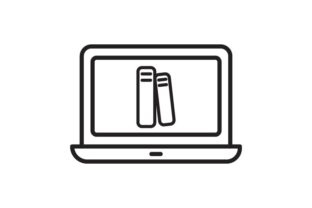
The first thing I noticed about Online Course is its sleek, minimalist aesthetic. The layout is balanced, with clear visual hierarchy that makes it feel both modern and versatile. It’s not overly detailed or fussy, which is great because it allows for flexibility in application. The shape feels intentional—neither too rigid nor too abstract. As an icon-style design, it conveys a sense of learning and growth, making it perfect for branding, educational-themed items, or even motivational gifts.
I found myself imagining it stitched onto a soft cotton tote bag or a cozy sweatshirt. Its clean lines and subtle depth suggested that it could hold up well on a variety of fabrics without overwhelming the piece. The mood it creates is professional yet approachable, which immediately told me it would work best in craft businesses, boutique merchandise, or as part of a small shop product line.
Design Personality and Project Fit
Online Course has a strong identity as a symbol of knowledge and creativity. That makes it ideal for projects where the message is important—think personalized gift tags, embroidered patches for craft kits, or even as a decorative accent on aprons used in DIY workshops. The detail level is moderate, so it doesn’t require an extremely large hoop size, but it also isn’t so simple that it loses impact when scaled down.
One thing I appreciated was how the design felt cohesive when viewed at different sizes. Whether I was considering a small embroidered patch or a larger design on a pillow cover, the structure remained consistent. This versatility is key for designers who want to use one asset across multiple product types while maintaining brand recognition.
Real-Life Embroidery Performance
I tested Online Course on a few common embroidery substrates. On a medium-weight cotton sweatshirt using standard stabilizer, the stitch clarity was excellent. The satin stitch outlines were smooth and precise, and the fill areas maintained good density without puckling. I also tried it on a lightweight linen tote bag, and with some extra topping stabilizer, the results were just as clean.
When used in a sweatshirt embroidery project, the design added a professional touch to a casual garment. It didn’t look out of place, and customers would likely appreciate the thoughtful detail. For custom apparel aimed at creative entrepreneurs or Etsy sellers, this kind of subtlety can significantly boost perceived value.
On a handmade product like a baby item or holiday gift, Online Course still held its own. When I placed it on a plush blanket using a slightly heavier stabilizer, the texture came through nicely. The contrast between the white fabric and thread colors made the design pop, adding a sense of quality and intentionality to the finished product.
What Works Well
- Custom Apparel: The design fits well on t-shirts, sweatshirts, and hoodies. It’s not too busy, so it complements other text or logos effectively.
- Tote Bag Design: Especially on natural or pastel-colored bags, Online Course looks elegant and modern. It works especially well in monochrome or two-color schemes.
- Embroidered Patch: As a standalone patch, it’s compact enough to be used on backpacks, jackets, or denim without losing its charm.
- Boutique Branding: The design has enough personality to represent a small business or creative brand subtly, without being too loud or garish.
- Printable Mockups: Since it's an SVG file, it integrates smoothly into digital mockups for previewing craft business items online or showcasing them in Etsy listings.
Where to Use Carefully
While Online Course is a solid design, there are certain situations where you should consider the limitations. Here are a few notes based on my testing:
- Small Hoop Sizes: The design may lose some definition if forced into a very tight space. Always confirm your hoop size before finalizing placement.
- Textured Fabrics: Stitch density might need adjustment when working with materials like flannel, canvas, or burlap to avoid distortion or uneven coverage.
- Thin or Stretchy Fabric: Extra attention to stabilizer is needed here. I recommend using a tear-away or cut-away stabilizer depending on the fabric type.
- Dark Fabric Backgrounds: Thread color choice becomes critical. Lighter shades will stand out better, but always test on scrap material to ensure visibility.
- Curved Surfaces (e.g., Caps): Because of the nature of curved stitching surfaces, you’ll want to adjust the layout carefully and possibly reduce stitch density to prevent pulling.
- Frequent Washing: If the design is going onto something like a kitchen towel or baby clothing, make sure the threads are colorfast and the fabric can handle repeated washes without degrading.
Thread Color Contrast and Visual Appeal
Thread color plays a big role in how Online Course performs. In most cases, I found that using two contrasting thread colors helped define the icon better. However, the design can also be executed in single-thread versions if simplicity is the goal. I tested it in black, navy, and blush pink, and all looked sharp—especially when paired with a white or light background.
For those aiming for a more personalized gift or holiday embroidery, experimenting with metallic or variegated threads could add a nice dimension. Just be cautious with these types of threads on stretchy or delicate fabrics—they can cause tension issues if not handled properly.
Designer Notes and Best Practices
Here are some practical tips for integrating Online Course into your embroidery project:
- Test on Scrap Fabric First: Always run a sample stitch to see how the design reacts to your specific machine, fabric, and thread combination.
- Review Stitch Density: Especially if you're using a dense fill area, adjust the settings according to the fabric thickness to prevent puckering or distortion.
- Confirm Hoop Size: While the exact requirements aren't listed in the product description, it’s worth checking the recommended hoop size for optimal performance.
- Inspect Small Details: SVG files can sometimes have hidden nodes or unnecessary layers. Open the file in editing software to simplify it if needed.
- Use Proper Stabilizer: Depending on the fabric and application, choose a stabilizer that supports the weight and movement of the design during stitching.
- Check Licensing Before Selling: If you plan to use this in commercial projects or sell digital embroidery files, verify the licensing terms included with the purchase.
Customer Perception and Professionalism
From a customer perspective, Online Course adds a layer of sophistication to any handmade product. It’s not just an icon; it tells a story. People recognize the theme instantly and associate it with learning, creativity, or personal growth. This makes it highly giftable, particularly for birthdays, graduations, or New Year’s presents.
In my experience, designs like this help build customer trust because they look polished and intentional. Even if you're an Etsy seller or a small shop product creator, using a high-quality, recognizable icon can elevate your brand’s professionalism and increase buyer engagement.
Final Thoughts
Online Course is a strong addition to any machine embroidery design library, especially if you’re looking for something that blends style with substance. It works well in both commercial embroidery and personal projects, offering a consistent look across various formats and scales. But remember, no design is one-size-fits-all. Consider the context—fabric type, product use, and customer expectations—and adjust accordingly.
For craft business owners and creative entrepreneurs, this design can serve as a reliable design asset that enhances your offerings without overshadowing them. Just take the time to test it thoroughly, and you’ll find that Online Course delivers a clean, impactful result that aligns well with modern aesthetics and practical needs.