★★★★☆4.2(479 reviews)
Question Embroidery Design Review for Real Projects
A First Look at the Question Design
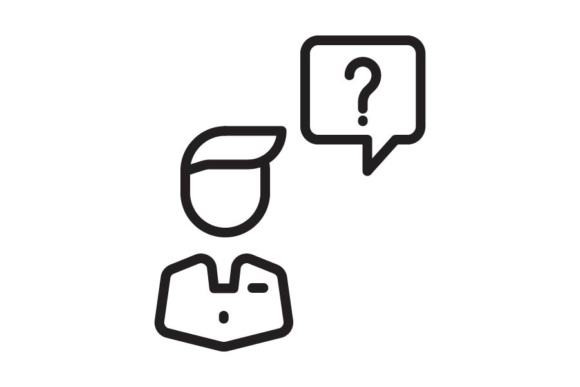
The Question embroidery design immediately stands out with its clean, modern silhouette and subtle visual personality. As an experienced designer who has worked on countless custom apparel and handmade product projects, I appreciate how this SVG-based icon feels both minimal and expressive. Its layout is straightforward—just a single shape or symbol that conveys curiosity or inquiry in a way that’s easy to stitch and visually appealing.Fitting Into Your Embroidery Projects
I recently considered using the Question design for a line of personalized baby onesies and tote bags for a client’s boutique. In those scenarios, the design’s soft curves and lack of sharp edges helped maintain a gentle, approachable look. It didn’t clash with the softer pastel tones or embroidered text often seen in baby items, and it added just the right amount of intrigue without being too busy. For sweatshirt embroidery, the design could work well as part of a motif or layered with other icons to create a cohesive theme. It also fits naturally into holiday gifts, such as embroidered ornaments or gift tags, where a touch of whimsy is appreciated. When applied to a custom apron for a craft business, the question mark felt like a playful nod to creativity and problem-solving—perfect for branding a small shop focused on DIY and handmade goods. In terms of commercial embroidery, the design’s versatility shines. It can serve as a decorative accent on digital product previews or even as a standalone embroidered patch for resale. For Etsy sellers or craft fair product creators, it’s a great candidate for adding a unique touch to tote bag designs or nursery decor items. It’s not flashy, but it does have a quiet charm that invites closer inspection.Design Considerations for Stitching Success
While the Question design is beautiful and versatile, there are some real-world factors to consider before finalizing it for production.- Small hoop sizes: The design is compact, which is great for limited space, but if you’re working with very tight dimensions (like under 3 inches), you may need to simplify or scale down further to ensure clarity.
- Textured or stretchy fabrics: On knits or quilted materials, the fine lines of the design might get lost or distorted. Always test it on similar fabric types before committing to a full batch.
- Dense stitch areas: If your design includes fill stitches or multiple layers of satin stitch, make sure the density is balanced so the background doesn’t become too heavy or stiff after washing.
- Thread color contrast: The monochrome nature of the design means thread choice is crucial. On dark backgrounds, white or light-colored threads will stand out more clearly. On lighter fabrics, a muted tone may blend too much unless paired with a bold stroke or outline.
- Curved surfaces: Using the design on caps or curved parts of garments (like sleeves) requires careful placement and possibly adjusting the shape to conform better to the surface.
Testing Before Committing
As a professional, I always recommend testing the Question design on scrap fabric first. Try different thread colors and stabilizers to see how it reacts. A lightweight cutaway stabilizer works best on stretchy fabrics, while tear-away might suffice for sturdier cotton blends. If you're planning to offer it as a digital embroidery file, include a printable mockup showing it on various garment types and fabric colors. This helps potential buyers visualize the design and builds trust in your product offerings.Visual Impact and Branding Value
One of the strengths of the Question design is its ability to subtly enhance the visual appeal of a project without overpowering it. Whether you're creating a personalized gift or a small shop product, this icon adds a layer of thoughtfulness that can elevate the overall presentation. When used in handmade products, the design reinforces a brand identity centered around curiosity, creativity, or community engagement. It can also serve as a conversation starter in holiday embroidery or educational-themed items like school supplies or book covers. However, because of its understated style, it might not be the best choice for designs intended to grab attention at a distance. It works better in close-up situations, like embroidered patches on apparel decorators’ custom tees or as part of a series of icons in a design asset pack for resale.Customer Reactions and Engagement
In my experience, customers respond positively to designs that feel intentional yet unobtrusive. The Question design falls into that category. It doesn’t shout, but it asks the right questions: “What does this mean?” or “Is this for me?” That kind of interaction can lead to higher buyer engagement, especially when the design is part of a larger theme or story. For Etsy sellers, this kind of icon can help differentiate your listings from generic options. Pair it with a handwritten-style font or another related icon, and you’ve got a ready-to-use graphic that feels handcrafted and thoughtful.Where to Use It with Caution
Despite its flexibility, there are a few cases where the Question design may require extra care:- Thin or delicate fabrics: The fine lines may not show up as clearly on sheer or loosely woven materials. Consider reinforcing the design with a backstitch or heavier thread weight.
- Products that need frequent washing: Dense stitching can cause stiffness or fraying over time. Opt for a lighter stitch count or choose a fabric that retains its structure after repeated laundering.
- Layered garments: Placing the design on a jacket with multiple panels or seams can distort the alignment. Make sure the design is properly aligned with the garment’s natural curves.
- Tiny lettering or detailed corners: If the design includes micro-text or complex shapes, double-check how it translates to the stitch file. Some SVG files can lose resolution during conversion, leading to unclear corners or missing elements.
Commercial Use and Licensing
Before selling finished products or digital assets based on the Question design, always confirm the licensing terms. Many SVG-based embroidery files come with restrictions, especially regarding mass production or resale. If you're a digital product seller or commercial embroiderer, you’ll want to know whether you can legally use this design across multiple items or in a bundle.Final Thoughts for the Craft Business Owner
Overall, the Question design is a solid addition to your machine embroidery design library. It’s perfect for adding a touch of personality to custom apparel, handmade products, or branding elements in a craft business. But as with any design, success depends on how well you understand its limitations and how it interacts with fabric, thread, and machine settings. Take the time to review stitch density, test thread contrasts, and consider fabric type. And if you’re selling this as part of a digital embroidery file package, provide clear usage guidelines and sample mockups to help your buyers make informed choices. This isn’t just about making something look pretty—it’s about ensuring that your finished product meets expectations, functions well, and stands up to the realities of everyday wear and wash cycles. With the right preparation, the Question design can become a valuable and trusted part of your creative toolkit.
⬇️ Download Free
Free download · No sign-up required
🔗 You Might Also Like
Icons
As an experienced embroidery designer and product reviewer, I’ve evaluated count...
Icons
As an experienced embroidery designer and product reviewer, I often come across ...

Icons
As an experienced embroidery designer and product reviewer, I've seen my fair sh...

Icons
As an embroidery designer who regularly evaluates digital embroidery files for r...

Icons
First Impressions: A Strong, Modern Statement When I first opened the Confidence...
