Protection Money Embroidery Design Review
As an embroidery designer and product reviewer, I’ve evaluated countless machine embroidery designs. Protection Money stands out as a unique icon that could fit a variety of projects, but it requires careful consideration before use. Let’s dive into what this design offers and how it performs in real-world applications.
The First Impression: A Bold and Symbolic Design
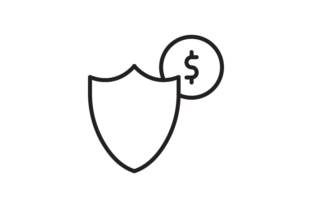
Protection Money immediately conveys a sense of strength and protection. The design features a stylized motif that resembles a shield or a symbol of financial security. Its clean lines and minimalistic approach make it versatile, but the theme is strong enough to stand on its own without being too abstract.
The layout is balanced, with a central focal point that works well for both small and larger embroidery projects. The detail level is moderate—enough to add visual interest without overwhelming the fabric. It’s a design that feels modern and intentional, making it suitable for a range of products from apparel to home decor.
This design would naturally fit into custom apparel, especially items like sweatshirts, tote bags, or baby clothes. Its boldness makes it ideal for personalization, but it also has the potential to be used in more subtle ways, such as on patches or decorative accents.
Real-Life Embroidery Applications
When considering Protection Money for real-life embroidery situations, there are several factors to take into account. For example, if you’re working on a custom tote bag design, this icon could serve as a striking centerpiece. However, the size and placement of the design need to be carefully planned to ensure it doesn’t appear cramped or oversized.
In terms of stitch density, the design seems to have a moderate amount of detail. This means it should work well on most fabrics, but it may require extra attention when working with delicate or stretchy materials. If you're planning to use it on a sweatshirt or a cap, testing the design on scrap fabric first is essential to understand how it will look after stitching.
For baby items, such as onesies or blankets, the design could be a meaningful addition. However, the sharp edges and detailed areas might not be the best choice for very soft or thin fabrics. In such cases, simplifying the design or adjusting the stitch density could help achieve a better result.
Where to Use With Caution
While Protection Money is visually appealing, there are certain scenarios where it might not perform as well. Small hoop sizes, for instance, could limit the ability to stitch the design accurately. If you're using a compact embroidery machine, you may need to adjust the design or split it into sections for proper placement.
Textured fabrics, thin materials, or stretchy garments can also pose challenges. The design’s details might not show up clearly on these surfaces, and the stitching could become distorted. Similarly, dark fabrics may require a different thread color to ensure the design stands out effectively.
For layered garments or curved surfaces like caps, the design might need some adjustments. The corners and edges could appear slightly off if not properly aligned. Tiny lettering or intricate elements within the design may also be difficult to execute consistently, especially on smaller projects.
Impact on Visual Appeal and Product Value
Protection Money has the potential to elevate the visual appeal of any project it’s used on. Its clean, symbolic nature adds a layer of meaning that can resonate with customers, making it a great choice for personalized gifts or handmade products. When used correctly, it can enhance the overall aesthetic and increase the perceived value of the finished product.
From a customer perspective, this design could create a sense of trust and professionalism. It’s clear, well-structured, and easy to recognize, which is important for branding and recognition. For Etsy sellers or small shop owners, this could translate into higher engagement and more sales, especially if the design aligns with the target audience’s preferences.
However, it’s important to consider how the design will look in different contexts. For example, if you're creating printable mockups or digital product previews, the design should be tested in both light and dark backgrounds to ensure visibility and clarity.
Practical Designer Notes
Before using Protection Money in any project, I recommend testing it on scrap fabric. This will help you assess how the design looks after stitching and whether it meets your expectations. Checking thread color contrast is also crucial, especially if you’re using it on dark or patterned fabrics.
Reviewing the stitch density is another key step. If the design is too dense, it may cause puckering or distortion on certain fabrics. Adjusting the density or using a proper stabilizer can help mitigate these issues.
Confirming the hoop size is equally important. If the design is too large for your machine’s hoop, you may need to adjust the file or split it into sections. Inspecting small details, such as corners or fine lines, can also prevent unexpected results during the embroidery process.
Testing the design in black and white mockups can give you a better idea of how it will look on different fabric colors. Comparing it against light and dark backgrounds helps ensure it remains visible and effective in all applications.
Finally, always check the licensing terms before using the design for commercial purposes. Even though this download includes an SVG file, it’s important to confirm whether it’s suitable for both personal and commercial projects.
Conclusion: A Versatile Design with Thoughtful Considerations
Protection Money is a machine embroidery design that offers a unique blend of symbolism and style. It has the potential to enhance a wide range of projects, from custom apparel to personalized gifts. However, its performance depends on how it’s applied and the specific requirements of each project.
For embroidery designers, craft business owners, and Etsy sellers, this design could be a valuable addition to their collection. But it’s important to approach it with care, testing it thoroughly and considering the practical aspects of each application.