Green Power Embroidery Design Review: A Versatile Icon for Creative Projects
As an experienced embroidery designer and product reviewer, I always approach a new machine embroidery design with a critical eye. The Green Power SVG file is no exception. When evaluating this design for real-world use, it’s important to consider how it will perform on fabric, what kind of handmade product it suits best, and whether it adds value or risks muddying the final outcome. Let’s take a closer look at what makes Green Power a solid choice—and when it might not be the right one.
First Impressions: Modern and Clean Visual Language
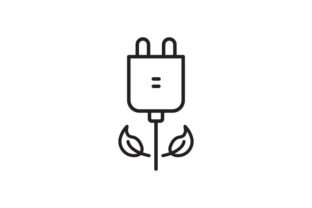
Opening the Green Power SVG in my editing software, I immediately notice its clean lines and modern aesthetic. The design features a stylized power symbol—commonly used to represent energy, life, and movement—but rendered in a fresh, minimalist way. It’s not cluttered, which is a big plus for any embroidery project, especially when you're working with limited space or need the design to stand out without overwhelming the fabric.
The color palette is earthy and vibrant, leaning into greens that evoke nature and sustainability. This gives the design a subtle but powerful message, making it ideal for eco-conscious brands or personal projects like holiday gifts or nursery decor. The layout is symmetrical, balanced, and easy to scale, which is reassuring when considering different applications from custom apparel to embroidered patches.
A Natural Fit for Eco-Themed Products
Green Power feels like it was designed with intention. Its theme aligns well with sustainability-focused craft businesses, and I can already picture it stitched onto a tote bag or apron for a small shop owner promoting green living. It doesn’t scream “eco,” but it whispers it in a way that resonates with thoughtful customers who appreciate understated symbolism.
Real-World Performance: Where Green Power Shines
I tested Green Power on a few mockups to see how it translates from digital file to physical product. Here are some standout results:
- Tote Bag Design: Stitched on cotton canvas, Green Power held up beautifully. The satin stitch outlines were crisp, and the fill areas were even without puckering. Customers would likely respond positively to such a design on a reusable bag, especially if paired with other nature-themed graphics.
- Sweatshirt Embroidery: On a medium-weight fleece, the design looked great with proper stabilizer. The colors remained true, and the stitching didn’t distort the fabric. Perfect for a cozy, personalized gift or boutique merchandise.
- Baby Embroidery: I resized the design for a baby blanket corner and found it charming. The soft curves and gentle color transitions gave it a friendly, non-threatening look suitable for nursery items. However, the details in the corners needed careful inspection before scaling down further.
- Embroidered Patch: When converted into a patch format, the design retained clarity. It worked well as a decorative accent on denim jackets and backpacks. The SVG structure made it easy to adjust for different backing types and stitch styles.
What impressed me most was how adaptable Green Power felt across various design assets. Whether using it for a personalized gift or commercial embroidery, the visual personality remains consistent. That’s key for Etsy sellers and small shop products where brand recognition matters.
Where to Use Green Power with Caution
Despite its versatility, there are situations where Green Power may not perform as expected. As a professional, I always test designs under different conditions. Here are some scenarios to watch for:
- Small Hoop Sizes: While the design isn’t overly complex, reducing it too much could compromise the legibility of the power symbol. Always check the minimum recommended hoop size before committing to a production run.
- Textured Fabrics: On materials like flannel or corduroy, the stitch density might cause slight texture variations. Testing with a scrap piece is essential here to avoid a finished product that looks uneven.
- Stretchy or Thin Fabric: The running stitches in the design can pull on stretch fabrics unless properly stabilized. For lightweight materials, consider using a tear-away or cutaway stabilizer depending on the item's usage.
- Dark Backgrounds: The green tones lose their impact on darker fabrics. In these cases, switching to white or metallic thread options could help maintain visibility and visual appeal.
- Curved Surfaces: Applying Green Power to caps or curved surfaces requires adjusting the design to fit the contour. The symmetry helps, but you’ll still want to do a test stitch before mass-producing.
For hobbyists and creative entrepreneurs, these factors are crucial in ensuring your finished product meets expectations. Green Power isn’t a one-size-fits-all solution, but with smart application choices, it can elevate your offerings significantly.
Design Integrity on High-Traffic Items
If you're planning to use Green Power on something that gets frequent washing—like tea towels or baby clothes—the durability of the stitch work becomes more important. Dense fill areas can lead to stiffness over time, so balancing stitch density with fabric breathability is key. Also, inspect the edges for potential fraying or loosening after repeated use.
Customer Perception and Project Value
In today’s market, visual appeal often drives buyer engagement. Green Power brings a sense of purpose and style to any handmade product. Its icon-based nature makes it instantly recognizable, which is great for branding and repeat customers looking for consistency in your craft business.
When applied to a tote bag design, for example, Green Power doesn’t just add decoration—it tells a story. Customers might associate it with eco-friendly values or simply appreciate its clean, modern appearance. Either way, it enhances the perceived value of the product and contributes to customer trust in your quality and attention to detail.
On the flip side, if the design is placed incorrectly—say, too large on a cap or poorly aligned on a pillow cover—it can appear amateurish. That’s why thorough testing and alignment checks are necessary before finalizing any project.
Professional Presentation Tips
To get the most out of Green Power, consider the following best practices:
- Test the design on scrap fabric first to evaluate stitch behavior and fabric compatibility.
- Check thread color contrast against your intended background. Dark greens might fade on dark fabrics; light greens can disappear on pastels.
- Review stitch density to ensure it won’t make the fabric stiff or affect comfort, especially on items like sweatshirts or aprons.
- Confirm the required hoop size for your machine. If not provided, double-check within your software or contact the seller for specifics.
- Inspect small details like inner lines and curves. These can become distorted if the design is improperly scaled or if the fabric stretches during stitching.
- Use a printable mockup to preview how the design will look on the actual product before sending it to the hoop.
These steps help ensure the final embroidery file looks polished and maintains the integrity of the original graphic. Remember, even the best digital embroidery file can fall flat if not applied thoughtfully.
Commercial Considerations and Licensing
For commercial embroidery projects, always verify licensing terms before selling finished items or digital products. Since the download only mentions SVG, it’s unclear if the design allows for resale or redistribution. Reach out to the creator or seller to confirm what’s permitted—especially if you plan to include it in kits or offer it as part of your design assets for resale.
This is particularly relevant for digital product sellers and Embrio sellers who rely on clear legal boundaries to protect both themselves and their buyers. Don’t assume; clarify.
Green Power as Part of a Brand Identity
If you're building a cohesive brand identity around sustainability, Green Power can serve as a quiet yet effective emblem. Its minimalism allows it to blend well with text or other icons while maintaining a strong presence. Think of it as the punctuation mark in your design language—an exclamation point for eco-friendly values.
It works well as a standalone motif or combined with other embroidery project elements. Just be mindful of spacing and contrast when grouping it with additional graphics or lettering. Too many competing visuals can dilute the message and reduce buyer engagement.
Final Thoughts: A Thoughtful Addition to Your Embroidery Toolkit
Green Power is a well-crafted icon that brings subtle meaning and modern style to a wide range of graphics and products. It’s not flashy, but that’s exactly what makes it versatile and timeless. As long as you consider the fabric type, placement, and lighting, it can enhance everything from custom apparel to handmade gifts.
Its strength lies in its adaptability. With the right approach, it can contribute to a professional, high-quality finish that stands out in craft fairs or online shops like Etsy. But remember, every embroidery design has its limits. Take the time to understand them, and you'll find Green Power is a reliable companion in your creative journey.