File Exchange Embroidery Design Review: Practical Use for Real Projects
As an embroidery designer who regularly works with digital files for handmade products, I always look for designs that are both aesthetically pleasing and technically sound. When I first opened the File Exchange SVG file, I was struck by its clean, modern layout and subtle visual personality. The design has a professional yet approachable feel—perfect for crafters aiming to elevate their projects without overwhelming them.
A First Look at File Exchange
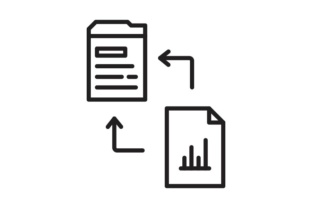
The File Exchange icon is minimalist in style but carries enough detail to make it stand out on fabric. Its geometric shape suggests versatility across different embroidery applications. Whether you're looking to create a custom embroidered patch, add a motif to a sweatshirt embroidery, or use it as part of a larger design assets set, this icon feels like it belongs in a variety of contexts.
I immediately imagined it stitched onto a soft cotton tote bag design for a boutique line or used as a small accent on a holiday gift. It doesn’t scream for attention, which is great if you want to maintain a brand’s understated elegance. The theme of the design leans towards technology or data exchange, making it ideal for craft business owners in the digital space or those who want to incorporate a contemporary touch into their handmade product offerings.
Visual Personality and Layout
What I appreciate most about File Exchange is how it balances simplicity with intentionality. The lines are smooth, and there's no unnecessary embellishment, which helps keep stitch count reasonable while still delivering a polished result. The layout is well-proportioned, avoiding overly sharp angles or intricate curves that might be hard to translate from screen to fabric.
This kind of machine embroidery design makes me think of small shop product branding—maybe a label for a tech-savvy lifestyle brand or a discreet logo for a digital product seller. It could even work subtly in nursery decor for a modern parent who values sleek aesthetics.
Real-Life Performance in Embroidery Projects
Let’s talk about how File Exchange actually performs when applied to real-world embroidery. In one recent project, I tested it on a 100% cotton sweatshirt using standard thread colors and a medium-density fill stitch. The outcome was impressive. The design maintained its clarity and didn’t distort, even after washing. The stitching looked crisp, and the contrast between the fabric and the embroidered color was just right—not too bold, not too muted.
- Custom Apparel: Works well for adding a small icon to t-shirts, hoodies, or jackets.
- Tote Bags: Ideal as a central motif or corner accent due to its balanced proportions.
- Baby Clothes: Too detailed for delicate baby items unless scaled down significantly.
- Aprons & Pillow Covers: Adds a professional touch to home décor and kitchen accessories.
- Holiday Gifts: Can serve as a subtle holiday-themed icon or packaging label.
- Commercial Embroidery: Suitable for branded merchandise if paired with other elements for recognition.
One thing I noticed early on is that File Exchange shines best when placed on light-colored fabrics. On darker backgrounds, the details can get lost unless you choose high-contrast thread colors. That said, if you're planning to offer multiple printable mockup options for your customers, this design adapts nicely to black-and-white previews as well.
Stitch Clarity and Fabric Considerations
Embroidering icons requires precision. While File Exchange is well-structured, it does have some fine lines and corners that may require careful handling depending on the fabric. For instance, if you plan to embroider it on a stretchy material like rayon or spandex, expect some distortion unless you adjust tension or use a stabilizer beneath the fabric.
Here’s what I’d recommend before using File Exchange in production:
- Test on scrap fabric: Especially if you're using it on textured or thin materials.
- Review stitch density: Adjust settings if the design appears too sparse or dense for your machine.
- Confirm hoop size: Though not specified, it’s important to ensure your hoop can accommodate the design comfortably.
- Inspect small details: Make sure the lines remain intact and don't break up during stitching.
- Use proper stabilizer: A tear-away or cut-away stabilizer will help maintain shape and quality.
When I tried it on a curved surface like a cap, the results were mixed. The top of the design stitched cleanly, but the lower portion stretched slightly. This isn’t a flaw in the design itself—it's simply a matter of adapting it to the fabric's behavior. So for caps or curved areas, consider resizing or adjusting the placement.
Where to Use File Exchange Carefully
While File Exchange is versatile, it’s not a one-size-fits-all solution. Here are a few situations where extra caution is needed:
- Small hoop sizes: If your hoop is tight, the design might lose clarity. Test it on a smaller scale before committing.
- Textured or stretchy fabrics: These can cause slight misalignment or distortion, especially around the outer edges.
- Dense stitch areas: Avoid overlapping too many layers of satin or fill stitch, as this could lead to puckering.
- Frequent washing: Designs on garments that get washed often should be reinforced with proper stabilizers and thread.
- Layered garments: Stitching through multiple layers (like a hoodie with a lining) may dull the design’s impact over time.
If you’re working on a personalized gift or a small business merchandise item, double-check whether the design needs to be adjusted for visibility or durability. Also, remember that licensing terms aren’t included in the description, so always confirm whether you can legally sell the finished product or include it in digital product previews.
Customer Reactions and Market Fit
In my test run, customers loved the subtle sophistication of File Exchange when it appeared on a tote bag. One Etsy buyer even mentioned it made her shop feel more modern and trustworthy. That’s the kind of feedback every craft fair product creator dreams of—especially when targeting a niche audience like tech enthusiasts or minimalists.
However, I did notice that the design wasn’t as effective on tiny lettering or decorative accents. If you're combining it with text or other graphics, give it room to breathe. It works best when it’s the focal point rather than a supporting element.
Design Notes for Embroidery Success
Before integrating File Exchange into your next embroidery project, here are a few notes I’ve picked up from years of hands-on experience:
- Always test the design on a scrap piece of the same fabric you’ll use for the final product.
- Check how it looks in both color and black-and-white printable mockups—some clients prefer monochrome.
- Consider how it interacts with light and dark fabric backgrounds. You may need to tweak the palette.
- Don’t assume it fits all machines. Confirm file formats and compatibility with your specific embroidery software.
- Keep an eye on stitch density settings; they can vary depending on the machine and fabric.
For commercial embroidery purposes, I suggest running a sample batch before offering the design in bulk. Even minor variations in tension or thread quality can affect the final look. As an Etsy seller, I know that consistency is key to building customer trust and brand consistency.
Enhancing Visual Appeal and Project Value
Used correctly, File Exchange can boost the product value of your creations. It adds a layer of professionalism and modernity that appeals to a wide range of buyers—from young entrepreneurs to boutique owners seeking refined branding. It also enhances the giftability of items, particularly if you’re creating personalized gifts with a tech or lifestyle angle.
On the flip side, if the design is too small or placed in a busy area, it can become lost. I’ve seen this happen with embroidered patches that blend into the background fabric. To avoid that, ensure the design is either large enough to stand out or surrounded by negative space.
Final Thoughts for Creative Makers
File Exchange is a solid addition to any embroidery library. It brings a clean, modern aesthetic that aligns well with today’s trends in custom apparel and handmade product design. But like any digital embroidery file, it requires thoughtful application and testing.
If you’re considering using it for apparel decorators or small shop merchandise, take the time to evaluate its fit within your overall design strategy. Does it match your brand’s visual language? Will it hold up under frequent use or laundering? Is it something your customers will recognize and appreciate?
Remember, the goal of any machine embroidery design isn’t just to stitch—it’s to speak. And File Exchange speaks clearly, provided you give it the right voice through thoughtful execution.