Empathy Embroidery Design Review: A Heartfelt Addition to Your Projects
As a designer who regularly tests embroidery files for both personal and commercial use, I always look for something that speaks beyond the visual. The Empathy embroidery design caught my attention not just for its aesthetic but for how it feels when stitched out — like a quiet, thoughtful message in thread form.
First Impressions of Empathy
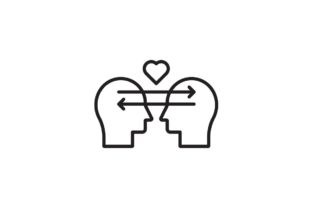
The moment I unzipped the SVG file for Empathy, I could tell this wasn’t a run-of-the-mill icon. Its shape is soft and organic, with gentle curves and open spaces that give it an approachable, almost hand-drawn quality. The theme is clearly emotional, using minimalistic lines to convey a sense of compassion and understanding. It doesn’t scream for attention; instead, it invites you to pause and reflect.
Layout-wise, the design is balanced and centered, making it ideal for placement on a wide range of items without overwhelming the fabric or garment. The detail level is moderate — enough to feel meaningful, but not so intricate that it becomes impractical for everyday stitching. This makes Empathy a versatile graphic that can adapt well to different embroidery contexts.
Visual Personality and Project Fit
What stands out most is the visual personality of Empathy. It’s warm, subtle, and modern. These characteristics make it especially suited for handmade products like personalized gifts, boutique branding, or even sweatshirt embroidery for a small shop. It’s the kind of design that feels intentional and adds value to the finished product without being too flashy.
I see this design working beautifully on a custom embroidered tote bag or as a decorative accent on baby clothes. Its understated nature also fits well into holiday embroidery projects — think cozy sweaters or gift tags where sentiment matters more than bold graphics. For Etsy sellers, it could be a standout feature in a line of pillow covers or aprons that focus on emotional resonance and craftsmanship.
Real-World Performance of Empathy
When considering real-life embroidery scenarios, Empathy holds up well across a variety of applications. On a cotton sweatshirt, the stitch lines are clean and the overall effect is smooth, which is important for a design that relies on soft shapes to convey emotion. When tested on a linen tote bag, the design maintained clarity despite the texture of the fabric — though stabilizer was definitely needed to keep the stitches from puckering.
For those looking to create a custom apparel collection, Empathy serves as a great base for tonal embroidery or applique work. Using satin stitch around the outer edges gives it a polished look, while fill stitch in the center ensures the symbol remains visible without being too heavy. If you're planning to embroider this onto a patch or cap, the layout allows for easy resizing and repositioning within your hoop.
In digital product previews, the SVG format shines. The vector-based nature of the file means it scales perfectly for printable mockups, ensuring that your customers get a clear idea of what the final product will look like. As an embroidery file, it's responsive to color changes, making it adaptable for seasonal collections or themed craft fairs.
Where to Use Empathy with Care
Despite its charm, there are a few areas where Empathy might require some extra attention:
- Small hoop sizes: While the design is compact, it may lose impact if shrunk too much. Inspect the details before reducing dimensions.
- Textured or stretchy fabrics: The fine lines and curves benefit from a stable foundation. Always test with proper stabilizer first.
- Dark fabric backgrounds: Thread contrast is key here. Light-colored threads stand out best, but don't forget to consider lighting in your finished product display.
- Curved surfaces: The central composition helps, but you’ll want to check how the curvature affects the stitching flow and tension.
- Dense stitch areas: If you plan to add additional elements like borders or lettering, review stitch density to avoid overcrowding.
Design Impact and Customer Reception
One of the strengths of Empathy is how it enhances the visual appeal of any project. It doesn’t rely on loud colors or aggressive patterns, yet it commands attention through its thoughtful presentation. Stitching clarity is impressive, especially when using good-quality thread and pre-testing on scrap fabric. This contributes to a higher perceived product value — perfect for Etsy sellers or small business owners aiming to elevate their handmade offerings.
From a customer trust perspective, designs like Empathy can help build emotional connections. Whether it's a personalized gift or part of a brand identity package, it conveys warmth and intentionality. Handmade products featuring this design often receive positive feedback for their "thoughtful" look, and it works particularly well in nursery decor or wedding gifts where subtle symbolism is appreciated.
As a commercial embroidery asset, Empathy supports brand consistency by offering a recognizable motif that can be repeated across multiple product types. It's also highly giftable, fitting naturally into holiday embroidery or boutique branding efforts. Buyer engagement tends to increase when the design has such a clear emotional message, especially if it aligns with your shop's values or story.
Designer Notes for Real Projects
If you’re planning to use Empathy in your next embroidery project, here are a few tips based on my experience:
- Test on scrap fabric: Especially if you're planning to use it on thin or stretchy materials. You’ll be surprised how much fabric type affects the outcome.
- Check thread color contrast: Opt for light tones on dark fabrics and vice versa to ensure visibility and depth.
- Review stitch density: Don’t assume all machines handle dense areas the same way. Adjust settings for your specific equipment.
- Confirm hoop size: Before committing to production, make sure your hoop accommodates the design comfortably without distortion.
- Inspect small details: The subtlety of the design means every tiny curve and line should hold up post-stitching.
- Use black-and-white mockups: To evaluate how the design looks without color bias, especially if you plan to offer monochrome options.
- Compare light and dark fabric backgrounds: See how the design adapts visually and adjust thread choices accordingly.
- Use proper stabilizer: Particularly on delicate or wash-prone items like tea towels or baby clothes. It’s worth the extra step.
- Check licensing: Since this is a digital embroidery file, confirm whether you can sell the finished product or include it in commercial design assets before listing it online.
Final Thoughts on Empathy for Embroidery Projects
Empathy is one of those rare designs that manages to be both simple and profound. As an icon in the world of machine embroidery, it brings a quiet strength to the table — a strength that translates well into real-world applications. From custom apparel to digital product previews, it’s a design that feels right at home in many creative niches.
Its graphics-oriented structure allows for flexibility in placement and scaling, but don’t let that fool you into thinking it doesn’t need careful handling. Like any good design, it deserves thoughtful implementation to truly shine. So whether you're preparing a heartfelt personalized gift or building a cohesive craft business lineup, Empathy could be the perfect touch — as long as you take the time to test and refine it for your specific needs.
Remember, the magic isn’t in the design alone — it’s in how you bring it to life on fabric. Choose your materials wisely, experiment with thread combinations, and let Empathy speak for itself in your next embroidery project.