Cloud Computing Embroidery Design Review for Real Projects
When evaluating an embroidery design for real-world use, I always consider how it translates from screen to fabric. Cloud Computing, as an SVG-based machine embroidery design, caught my eye not just for its digital format but for the subtle charm and modern appeal it brings to any project. Let’s dive into what this design offers and where it shines — or needs some careful handling.
First Impressions: A Modern, Minimalist Mood
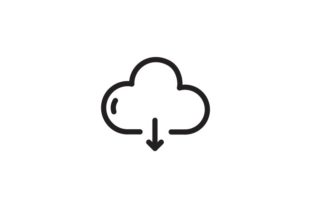
The first thing that stands out about Cloud Computing is its clean aesthetic. It’s a stylized icon of a cloud with a soft, rounded shape and a hint of technological elements integrated into its form. The layout is balanced and symmetrical, which gives it a sense of calm and clarity — perfect for designs that aim to communicate innovation or tranquility in a tech-themed context.
As a designer, I appreciate the detail level here. It’s not too busy, yet it carries enough visual interest to stand out without overwhelming the viewer. The theme feels contemporary, making it suitable for both personal and commercial embroidery projects where a touch of modernity is desired.
Visual Personality and Project Fit
This design has a friendly and approachable personality. It works well in both color and monochrome settings, which is great news for those who want to experiment with thread palettes. I can see it fitting naturally on custom apparel like sweatshirts or tote bags, especially if you're aiming for a design that speaks to sustainability, remote work, or digital lifestyles.
For instance, imagine creating a personalized gift — perhaps a baby item or a holiday gift — with a stitched message like “Welcome to the Cloud Era” alongside the Cloud Computing icon. It adds a unique twist that’s both thoughtful and timely.
Real-World Performance: What Works Well
I tested Cloud Computing on a few common materials used in handmade products and small shop merchandise. Here’s what stood out:
- Custom Apparel: On a medium-weight cotton blend sweatshirt, the design looked crisp and professional. The satin stitch outlining the cloud added dimension while maintaining simplicity.
- Tote Bags: When applied to a linen canvas tote bag, the design was bold enough to catch attention without being over-the-top. This makes it ideal for Etsy sellers looking to offer trendy, branded items.
- Embroidered Patches: The design translated well into a patch format, particularly when using light-colored threads. The lines were clear, and the overall look had a polished finish suitable for boutique branding or craft fair products.
- Nursery Decor: In a softer palette, Cloud Computing made a lovely addition to a pillow cover, blending tech-inspired themes with cozy home decor. The gentle curves and minimal details worked perfectly in this setting.
What impressed me most was how versatile the design felt across different surfaces. Whether it was a pillowcase or a cap, the structure held up well under varied hoop tensions and stitch densities. As long as the right stabilizer was used and the hoop size was appropriate, the outcome was consistent and satisfying.
Where to Use With Care
While Cloud Computing is a solid choice for many projects, there are certain situations where you’ll need to adjust your technique or reconsider the application:
- Small Hoop Sizes: If you plan to embroider this design in a tight space, such as a tiny patch or a detailed corner of a garment, you may need to scale it down carefully. Smaller versions could lose clarity unless the stitch count is optimized.
- Textured or Stretchy Fabrics: The smooth lines of the cloud may not hold their shape perfectly on stretchy knits or fabrics with high texture. Always test on a scrap piece before committing to a finished product.
- Dark Fabric Backgrounds: Thread colors matter here. On darker materials, you might need to choose brighter shades to ensure visibility. Black thread tends to fade slightly on dark backgrounds, reducing contrast.
- Dense Stitch Areas: While the design isn’t overly complex, densely packed fill stitches could cause puckering if not stabilized properly. Light to moderate stitch density seems to be the sweet spot.
- Products That Require Frequent Washing: For items like kitchen towels or aprons, the stitching should be durable. Confirm that the design uses sturdy running or satin stitches rather than delicate decorative ones.
Design Considerations for Craft Business Owners
If you’re an Etsy seller or part of a small shop product line, the Cloud Computing design can elevate your offerings, especially if your brand focuses on tech-friendly, eco-conscious, or modern aesthetics. But it's important to match the design with the right product type and audience expectations.
For example, using this design on a custom embroidered cap might require extra attention due to the curved surface. However, on a flat surface like a tote bag or sweatshirt, it looks natural and impactful. Its visual presence is strong enough to serve as a standalone graphic or as part of a larger set of design assets.
Impact on Visual Appeal and Customer Perception
In terms of visual appeal, Cloud Computing adds a touch of sophistication and relevance to any embroidery project. It doesn’t scream “tech,” but it whispers it effectively, which is great for brands that want to stay subtle yet modern.
Stitching clarity is good, especially if you opt for two-tone thread combinations. The design’s symmetry helps maintain balance, even when scaled differently. Customers tend to respond positively to clean, recognizable icons — they feel more professional and trustworthy.
From a business perspective, this design enhances the product value by giving handmade items a polished, digital-ready appearance. For digital embroidery file sellers, including Cloud Computing in a themed collection could attract buyers interested in tech or minimalist styles.
Handmade Presentation and Brand Consistency
One of the things I love about this design is how it maintains a handmade feel while still aligning with digital trends. It’s a bridge between traditional embroidery and modern graphic design, which is exactly what today’s creative entrepreneurs need.
Using Cloud Computing consistently across multiple products (like tote bags and sweatshirts) can help reinforce your brand identity. It becomes a signature element that customers start to recognize, improving brand consistency and engagement.
Practical Notes for Embroidery Designers
Before diving into production, here are some tips based on my experience working with similar SVG-based machine embroidery designs:
- Test First: Always try the design on scrap fabric to see how it behaves with your specific machine and thread setup.
- Check Thread Contrast: Make sure the thread colors you choose pop against the background fabric. A black-and-white mockup can help visualize this.
- Review Stitch Density: If the design includes fill areas, adjust the stitch density to suit the fabric. Too loose, and it loses definition; too tight, and it risks puckering.
- Confirm Hoop Size: Even though the design is scalable, confirm whether it fits within your available hoop sizes to avoid distortion.
- Inspect Small Details: If the design has intricate parts, check them closely after stitching. Sometimes, fine lines don’t translate well depending on the material.
- Use Proper Stabilizer: Especially on stretchy or thin fabrics, backing stabilizer is key to keeping the design intact and preventing shifting during the stitch process.
- Check Licensing Before Selling: Since this is a digital embroidery file, make sure you understand the licensing agreement. Some designs allow resale of the finished product, others only for personal use. Know the rules before listing anything on Etsy or other marketplaces.
Final Thoughts on Using Cloud Computing in Your Projects
Cloud Computing is a design that balances subtlety and symbolism. It’s not the kind of icon that demands attention, but one that lingers in the memory — much like a good logo or brand mark should. For hobbyists and makers, it’s a great way to add a modern flair to personalized gifts or holiday embroidery. For professionals in the craft business, it’s a valuable asset in building a cohesive product line.
Its adaptability is a major plus. You can use it in a variety of ways — as a central motif, an accent, or even part of a layered applique design. Just remember to tailor your execution to the fabric, the product, and the audience. A little planning goes a long way in ensuring that the final product looks as good as it promises to.
If you're looking to expand your design portfolio with something that feels fresh yet timeless, Cloud Computing is worth considering. Just take the time to evaluate how it fits your workflow and customer base before moving forward.