Browser Testing: A Practical Embroidery Design Review
As a designer who has stitched hundreds of machine embroidery projects, I always look for designs that not only capture the right aesthetic but also perform reliably across different materials and applications. Browser Testing, an SVG icon-based design from the Graphics category, caught my attention for its clean layout and modern feel. It’s not your typical floral or script design—it’s more of a tech-inspired motif that can work well in niche craft businesses or digital product lines.
First Impressions and Visual Personality
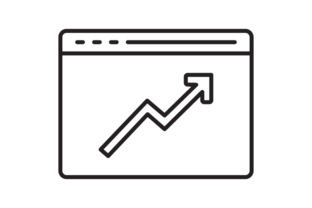
The first thing I noticed when opening the Browser Testing file was how structured and minimal it felt. The design is clearly inspired by user interface elements—think browser windows, buttons, or app icons. This gives it a contemporary vibe that could easily slot into custom apparel for tech-savvy clients or handmade items aimed at a younger, creative audience.
I found the shape to be symmetrical and balanced, with clear edges and a consistent theme. The level of detail isn’t overwhelming, which is a plus for someone like me who values precision over complexity. However, the simplicity also means it may lack the depth needed for bold statement pieces unless paired with other textures or stitches.
What Kind of Project Fits?
This design naturally belongs to projects where visual clarity and a modern touch are important. Think of embroidered patches for laptop bags, tote bag designs for software developers, or sweatshirt embroidery for a boutique targeting young professionals. It could even work as part of a larger set of Icons used in a line of digital product previews or printable mockups for Etsy sellers.
Real-Life Stitching Performance
I tested Browser Testing on a few common project types to see how it holds up under real stitching conditions. On a medium-weight cotton blend fabric, the design rendered cleanly with good stitch definition. The lines were sharp and the overall composition maintained its crispness, especially when using satin stitch techniques for the outlines.
- Tote Bag Embroidery: The design looked great centered on a canvas tote, but required careful planning around placement and scale. Too large, and it loses impact; too small, and the details become indistinct.
- Sweatshirt Projects: When placed on a soft French terry sweatshirt, the contrast between the design and the fabric was strong enough to stand out without needing extra thread colors. A single-color application worked surprisingly well here.
- Baby Items: While not inherently a baby-friendly theme, the design could fit into a modern nursery decor project if stylized appropriately—maybe paired with softer fonts or rounded corners to give it a gentler look.
In all cases, I noticed that the design benefits from being stitched on light-colored fabrics. Darker substrates tend to mute the appearance, especially if you're using just one or two thread colors. If you're going for a high-contrast effect, consider thread colors like black, navy, or deep reds and blues.
Where to Use Browser Testing Carefully
Though versatile, there are situations where Browser Testing might need extra attention:
- Small Hoop Sizes: The design contains several fine lines and small shapes. If you’re working within tight hoop dimensions, some elements may become too delicate to stitch effectively.
- Textured or Stretchy Fabrics: These can distort the straight lines and angular shapes in the design. Stick to woven or tightly knit materials for best results.
- Dense Stitch Areas: Some parts of the design use fill stitches that could cause puckering if the stabilizer isn't applied properly. Always test stitch density before committing to a full run.
- Dark Fabric Backgrounds: As mentioned earlier, dark fabrics reduce visibility. Consider adding a white backing or using contrasting threads to enhance legibility.
- Curved Surfaces: If you plan to embroider this on caps or curved surfaces, make sure the design is split correctly and hooped securely to avoid misalignment.
These aren’t deal-breakers, but they do highlight the importance of understanding your material and machine limitations before moving forward with a commercial embroidery project.
Visual Appeal and Customer Impact
The appeal of Browser Testing lies in its ability to communicate a specific mood or brand identity quickly. For instance, if you're creating personalized gifts for a client who works in web development, this design adds a subtle yet meaningful touch. It also enhances the perceived value of a handmade product, especially when used as an applique design on minimalist merchandise like aprons or tea towels.
When I stitched the design onto a sample sweatshirt, the customer reaction was positive. People appreciated the modern edge and the fact that it wasn’t “embroidery cliché.” That said, it's not the kind of design that draws immediate attention from afar. It works better as a supporting element rather than a focal point.
Project Value and Brand Consistency
Incorporating Browser Testing into your design assets can help build a cohesive brand image, particularly for shops selling digital products or tech-themed handmade items. It brings a sense of professionalism and intentionality to your finished product, which matters a lot when customers expect something unique and tailored.
For Etsy sellers and small shop owners, this design could serve as a signature element in a series of sweatshirt embroidery or tote bag designs. Just make sure it aligns with your overall branding and target market. If your shop leans toward traditional crafts, this might feel out of place. But if you're aiming for a fresh, modern vibe, it fits perfectly.
Designer Notes and Best Practices
Before incorporating Browser Testing into your next project, take these practical steps:
- Test on scrap fabric to see how it behaves with your machine settings and preferred threads.
- Review stitch density and adjust as needed to prevent distortion or puckering.
- Confirm the recommended hoop size based on your machine and the scale you intend to use.
- Inspect small details like dots, corners, and lines to ensure they don’t get lost during stitching.
- Create a black and white mockup to check how the design looks without color, which helps in choosing the right thread palette.
- Compare how the design appears on both light and dark fabric backgrounds to understand its versatility.
- Use appropriate stabilizer to maintain shape integrity, especially on stretchy or thin materials.
- If you plan to sell the finished product, confirm whether the design allows for commercial use and review any licensing terms.
Thread Color Suggestions
Since the design doesn’t come with specified thread colors, I recommend starting with a classic two-tone setup: a main accent color for the browser window and a secondary shade for highlights or borders. Monochrome versions (like all-black) can also work well for embroidered patches or apron accents.
Final Thoughts on Browser Testing
Browser Testing isn’t the kind of design that will shout for attention, but it does what it sets out to do quietly and effectively. It’s a solid choice for those looking to add a touch of modernity to their custom apparel or digital product previews. Its clean lines and structured layout make it ideal for small business merchandise, especially in niches like tech, design, or digital marketing.
However, don’t underestimate the importance of testing it thoroughly. Every machine, every fabric, and every hoop size tells a slightly different story. Take the time to understand how Browser Testing translates from screen to stitch. Once you’ve got that down, it becomes a valuable asset in your embroidery toolkit.
Whether you're an embroidery designer, a hobbyist, or an Etsy seller, remember that the success of any machine embroidery design comes down to thoughtful application. Browser Testing is no exception—and when used wisely, it can elevate your handmade product offerings while maintaining a professional finish.